Orlando FL ac repair

Top Signs You May Need Air Conditioning Repair Orlando, FL Immediately

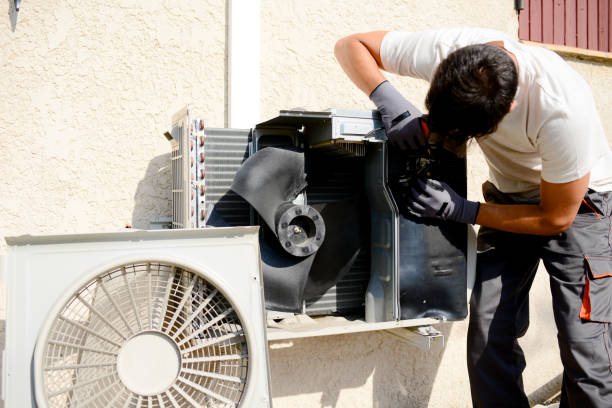
young man electrician installer working on outdoor compressor unit air conditioner at a client's home young man electrician installer working on outdoor compressor unit air conditioner at a client's home AC Service stock pictures, royalty-free photos & images

Over time, air conditioning units can wear out, resulting in reduced efficiency and performance. While regular maintenance can extend the life of an AC system, there are specific signs that indicate it may be time for a full replacement. Below is a list of key indicators to watch for before your system fails completely.

1. Frequent and Costly Repairs

If you find yourself calling for professional repairs multiple times a year, it may not make financial sense to keep your current unit. Over time, the cost of continual repairs can add up significantly. Replacing an aging system is often more cost-effective than repairing it repeatedly.

  • Example: A compressor that fails frequently or refrigerant leaks that require multiple refills signal underlying issues.
  • Rule of Thumb: If repair costs exceed 50% of the unit’s value, replacement is recommended.

2. Inefficiency and Higher Energy Bills

Older systems often require more energy to deliver the same cooling power as newer models. Rising utility bills without increased usage are a strong indicator that your AC is no longer operating at optimal efficiency.

Feature Older Units (10+ Years) Newer Units (with SEER > 16)
Energy Efficiency Ratio Low High
Operating Costs Higher Lower
Environmental Impact Significant Reduced

Consider upgrading to an energy-efficient system with advanced technology to save on monthly costs.

3. Inconsistent Cooling

An air conditioner should provide consistent temperatures throughout your home or office. If certain rooms feel too warm while others are too cold, it could indicate failing components such as the blower motor or evaporator coil.

Common causes of inconsistent cooling:
– Ductwork issues or blockages
– Aging thermostat sensors
– Insufficient refrigerant levels

Replacing your AC may resolve these problems when repairs fail to restore consistency in comfort levels.

4. Unusual Noises or Odors

Strange noises like grinding, rattling, or squealing often point to mechanical failure, while musty odors suggest mold or mildew buildup inside the system. These signs not only affect performance but could also impact indoor air quality negatively.

Key Sounds and Their Potential Causes:
Humming: Electrical issues within the motor – Banging: Loose internal parts – Whistling: Airflow blockages

If professional cleaning doesn’t resolve these issues, replacement may be required.

5. System Age Exceeds Expected Lifespan

The average lifespan of an AC unit is approximately 10–15 years with routine maintenance. Once your system surpasses this timeline, its components will begin to fail more frequently due to natural wear and tear.

Signs associated with old age include: – Reduced efficiency despite tune-ups – Difficulty maintaining desired temperature settings – Increased likelihood of refrigerant leaks

Investing in a modern unit ensures better performance and takes advantage of technological advancements like smart thermostats and eco-friendly refrigerants.

Key Takeaway from a Leading HVAC Company Orlando, FL

Recognizing these five indicators early can help you avoid sudden breakdowns during peak seasons when reliable cooling is crucial. While repairs might provide temporary solutions, understanding when replacement becomes inevitable ensures greater comfort, safety, and energy savings over time.

The Tools HVAC Technicians Use to Diagnose and Fix Air Conditioning Systems Effectively

HVAC (Heating, Ventilation, and Air Conditioning) technicians rely on a variety of specialized tools to diagnose and repair air conditioning systems with precision. These tools are essential for identifying issues, ensuring optimal performance, and extending the lifespan of AC units. Below is an exploration of some key tools used by professionals in this field.

Diagnostic Tools for Identifying Problems

  1. Measure refrigerant pressure in the system.
  2. Help identify leaks or improper refrigerant levels that can compromise cooling efficiency.
  3. Monitor air intake and output temperatures to assess temperature differentials.
  4. Useful in determining whether the system is cooling effectively.
  5. Test electrical components such as relays, capacitors, and wiring connections for faults or power inconsistencies.
  6. Ensure safe operation by detecting potential electrical hazards.
  7. Essential for detecting refrigerant leaks that can cause energy inefficiency or environmental harm.

Repair and Maintenance Tools

  1. Remove air, moisture, or contaminants from refrigeration lines before adding fresh refrigerant during repairs or installations.
  2. Allow technicians to connect directly to the refrigerant lines for charging, recovering, or diagnosing issues with pressure readings.
  3. Includes brushes and chemical sprays for cleaning evaporator and condenser coils to enhance airflow efficiency.
  4. Used to straighten bent condenser fins that might block airflow and reduce overall system performance.
  5. Essential for dismantling parts such as panels or fasteners during inspections and repairs.

Advanced Technology Utilized by HVAC Technicians

  1. Detect heat signatures in ducts or components to identify insulation issues or airflow blockages efficiently.
  2. Smartphone-enabled devices are becoming increasingly popular among technicians.
  3. These tools use apps to measure airflow rates, temperatures, humidity levels, etc., offering real-time data analysis.
  4. Measure the velocity of air passing through ducts and vents to ensure balanced distribution throughout a building.
Tool Type Function
Refrigerant Gauges Monitors pressure levels
Leak Detectors Identifies refrigerant leaks
Vacuum Pumps Removes moisture/air from systems
Smart Diagnostic Tools Provides real-time data through connected apps
Coil Cleaning Brushes/Tools Cleans coils for better airflow

Safety Equipment Used Alongside Tools

  • Protective gloves: Shield hands from sharp edges or chemicals.
  • Safety goggles: Prevent eye injuries during coil cleaning or chemical handling.
  • Respirators: Protect against inhaling harmful gases released during repairs.

By combining traditional hand tools with advanced diagnostic equipment, HVAC professionals efficiently manage everything from routine maintenance tasks to complex repairs while adhering to safety protocols at every step of the process. This blend of expertise and technology ensures reliable service delivery in any situation involving air conditioning systems.

Exploring What HVAC Technicians Actually Do Every Day in the World of AC Service

HVAC technicians play an essential role in maintaining comfortable and energy-efficient living and working environments. Their daily responsibilities encompass a broad range of tasks, from diagnostic evaluations to implementing repairs or replacements, ensuring that air conditioning systems function optimally. Below is an overview of the key activities HVAC technicians engage in during their typical workday.

Routine Inspections and Maintenance

  • Check refrigerant levels: Low refrigerant can indicate leaks or inefficiencies.
  • Inspect coils: Evaporator and condenser coils are cleaned to maintain performance.
  • Examine electrical components: Faulty wiring or damaged capacitors can impair operation.
  • Inspect filters: Dirty or clogged filters reduce airflow, increasing strain on the system.
  • Lubricate moving parts: Proper lubrication minimizes wear and tear on motors and fans.

These preventative measures help prolong the lifespan of air conditioning systems while reducing energy consumption.

Diagnosing System Failures

  1. Using digital multimeters to measure voltage and continuity in electrical circuits.
  2. Testing refrigerant pressure with specialized gauges to detect leaks or overcharging.
  3. Inspecting thermostats for calibration errors or connectivity problems.
  4. Running system tests to assess airflow rates and temperature differentials.

By systematically troubleshooting each component, technicians ensure precise identification of problems, paving the way for effective repairs.

Performing Repairs and Replacements

  • Faulty compressors
  • Damaged fan motors
  • Leaking refrigerant lines
  • Broken thermostats

In cases where repairs aren’t feasible or cost-effective, technicians may recommend replacing the entire system with a new unit that meets modern efficiency standards.
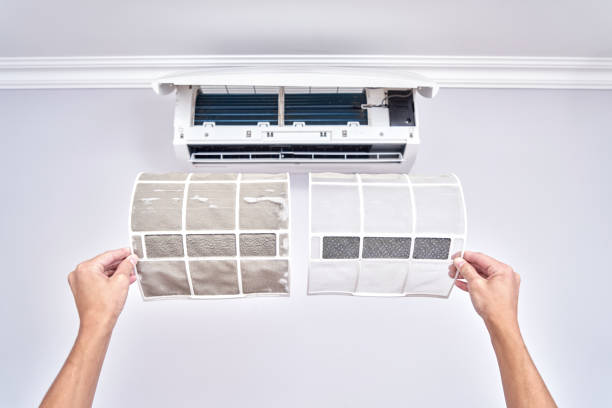
Maintenance of the air conditioner. A technician is cleaning the filter. AC Service stock pictures, royalty-free photos & images

Conducting System Upgrades

Modern air conditioning technology continues to evolve rapidly, offering improved energy efficiency and environmental benefits over older systems. As part of their role, HVAC professionals often upgrade outdated units by installing smart thermostats or high-efficiency models designed for better cooling performance.

Delivering Customer Education

  • Changing filters regularly (typically every 1–3 months).
  • Keeping outdoor units free from debris like leaves or dirt.
  • Scheduling annual tune-ups to address wear-and-tear issues proactively.

Educating customers empowers them to care for their systems effectively between service visits.

Task Tools Commonly Used Purpose
Diagnostics Multimeter, gauge manifold Identify root causes
Maintenance Coil cleaner, lubricants Enhance system efficiency
Repairs/Replacement Screwdrivers, soldering tools Restore functionality
Upgrades Smart thermostats Improve energy savings

HVAC technicians work diligently every day to ensure homes and businesses stay comfortable year-round through expert care of air conditioning systems while prioritizing safety and efficiency at each step of their workflow.

How a Typical Workday Flows for HVAC Technicians Providing AC Service From Start to Finish

HVAC technicians play a vital role in ensuring that residential and commercial air conditioning systems function smoothly. Their workday often involves addressing various technical challenges, collaborating with clients, and maintaining systems for optimal performance. Here’s an overview of how a typical day unfolds for an HVAC technician working on AC service.

Starting the Day: Preparation and Scheduling

  • Reviewing the Schedule: The workday begins with checking the schedule provided by their employer or dispatch system. This includes reviewing the locations, types of service calls, and any specific client notes.
  • Gathering Tools and Equipment: Technicians ensure their work vehicles are stocked with essential tools, replacement parts, refrigerants, safety gear, and diagnostic equipment.
  • Prioritizing Service Calls: Based on urgency and location, they may prioritize emergency repairs over routine maintenance tasks.

On-Site Arrival: Preliminary Assessment

Upon arriving at a client’s location: – Client Communication: The technician discusses the issue with the client to gain insights into system symptoms or past problems. – Initial Inspection: A visual examination of the unit is conducted to identify obvious issues such as leaks, blockages, or physical damage.

This step helps set the foundation for a more detailed diagnostic process.

Diagnostics and Troubleshooting

Diagnostics play a critical role in repairing or maintaining AC systems. This phase includes: 1. Testing System Performance: – Measuring airflow levels. – Checking thermostat functionality. – Monitoring refrigerant pressure using gauges. 2. Electrical System Checks: – Inspecting wiring connections. – Testing capacitors and relays using multimeters to locate electrical faults. 3. Mechanical Component Inspection: – Examining compressors, fans, and coils for wear or damage.

Any findings during this process guide decisions about repairs or part replacements.

Performing Repairs or Maintenance

Once diagnostics are complete: – For repair jobs: – Faulty components (e.g., capacitors, motors) are replaced or repaired as needed. – Refrigerant leaks may be sealed followed by recharging to optimal levels. – For maintenance tasks: – Air filters are cleaned or replaced. – Condenser coils are washed to improve efficiency. – Lubrication is applied to moving parts where necessary.

Technicians also test system performance after completing repairs to ensure all issues have been resolved.

Documentation and Reporting

Before leaving a site: – Technicians document all services performed in detail—this can include diagnostic results, repairs made, parts used, and customer recommendations for future upkeep. – They may also provide usage tips or suggest preventive measures such as regular maintenance checks to avoid recurring issues.

Collaboration With Team Members

Throughout their day, HVAC technicians often collaborate with other professionals such as office staff (for scheduling updates), senior technicians (for complex cases), or supply chain teams (to source parts quickly). This teamwork ensures seamless service delivery across all stages of their workflow.

Time Period Activity
Morning Reviewing schedule & preparation
Mid-morning & Afternoon Diagnostics & Repair
Late Afternoon Documentation & reporting

A day in the life of an HVAC technician requires problem-solving skills, attention to detail, technical expertise, and strong communication abilities—all essential traits that ensure customers receive reliable air conditioning services.

How HVAC Technicians Work Together to Complete AC Service Orlando Calls Successfully

The successful completion of an air conditioning (AC) service call requires a collaborative effort among various individuals and teams. HVAC technicians serve as the central figures in this process, utilizing their expertise to diagnose and repair issues, but their effectiveness often hinges on working seamlessly with others. Below, we explore the key stakeholders involved in AC service calls and how their collaboration ensures optimal outcomes.

Key Stakeholders in an AC Service Call

  1. Dispatchers
    Dispatchers play a crucial role in coordinating service calls for HVAC technicians. They:
  2. Schedule appointments based on customer availability and technician workload.
  3. Provide technicians with essential job details such as customer location, reported issues, and equipment type.
  4. Act as intermediaries between customers and technicians to address scheduling changes or urgent requests.
  5. Customers
    The collaboration with customers is critical for technicians to deliver satisfactory service. Customers:
  6. Share information about symptoms or performance issues they are experiencing with their AC systems.
  7. Grant access to the property and any relevant areas such as utility rooms or outdoor units.
  8. Offer feedback post-service, which helps assess the quality of the work completed.
  9. Suppliers and Vendors
    Technicians frequently rely on suppliers and vendors for parts, tools, or refrigerants necessary for repairs or replacements. This partnership enables technicians to:
  10. Source high-quality replacement components quickly.
  11. Obtain specialized tools required for diagnostics or complex repairs.
  12. Stay informed about new equipment models or technologies that may benefit customers.
  13. Technical Support Teams
    In cases where issues are particularly challenging or involve unfamiliar equipment models, HVAC technicians may consult technical support teams provided by manufacturers or distributors. These experts assist by:
  14. Offering guidance on troubleshooting complex problems.
  15. Recommending appropriate repair methods based on system specifications.
  16. Clarifying warranty terms if applicable.
  17. Fellow Technicians
    Collaboration among peers is common within larger HVAC companies or during team-based projects like commercial installations. This cooperation allows technicians to:
  18. Share insights gleaned from similar troubleshooting experiences.
  19. Divide responsibilities when handling extensive repairs involving multiple systems.
  20. Mentor less experienced colleagues by providing hands-on training.

Collaborative Tools Used by HVAC Technicians

Tool/Technology Purpose Example Use Case
Field Service Software Manages schedules, tracks work orders Real-time updates about job progress
Mobile Communication Apps Facilitates technician-dispatcher interaction Quick sharing of photos/videos of system issues
Diagnostic Applications Interfaces with smart systems via Wi-Fi/Bluetooth Accessing system performance data remotely

Benefits of Collaboration in AC Service Calls

Effective collaboration ensures that:
– Issues are resolved efficiently without unnecessary delays. – Customers receive clear communication regarding timelines and costs. – Technicians have access to all necessary resources—both human and material—for successful repair.

By fostering a team-oriented approach across various stakeholders, HVAC professionals can deliver top-quality services while maintaining high levels of customer satisfaction.

Expert Orlando, FL AC Repair: The Importance of Diagnostics and System Testing

Diagnostics and system testing are the foundation of professional air conditioning (AC) services. They ensure that HVAC technicians accurately identify problems, optimize system performance, and extend the lifespan of cooling units. Without a systematic approach to diagnosing issues, repairs can be incomplete or ineffective, potentially leading to costlier problems down the road. Here’s an in-depth look at why diagnostics and testing are critical to AC service.
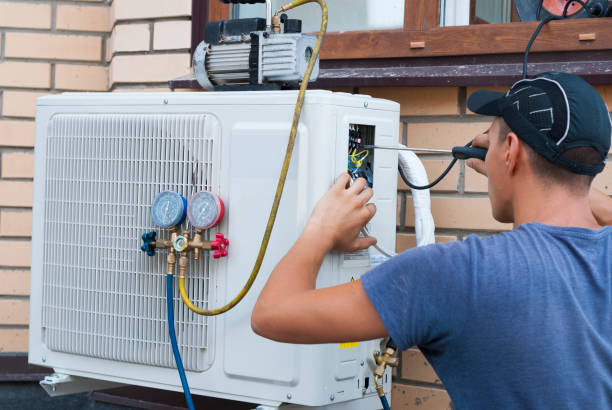
installation of the outdoor unit air conditioner the worker installs the outdoor unit of the air conditioner on the wall of the house AC Service stock pictures, royalty-free photos & images

The Purpose of Diagnostics in AC Services

Diagnostics in AC systems is about pinpointing underlying issues rather than just addressing symptoms. A poorly performing air conditioner might show obvious signs like reduced cooling or unusual noises, but these surface-level symptoms could stem from various root causes.

  • Identifying inefficiencies: Ensuring the system operates at peak efficiency.
  • Preventing breakdowns: Detecting potential failures before they escalate.
  • Improving indoor air quality: Addressing issues that compromise filtration or ventilation.
  • Saving costs: Reducing energy consumption and minimizing repair expenses.

Tools Used for Diagnostics and Testing

Tool Name Purpose
Digital Multimeter Measures voltage, resistance, and current
Refrigerant Gauges Checks refrigerant pressure levels
Thermometers Monitors supply and return air temperatures
Leak Detectors Identifies refrigerant leaks in the system
Infrared Cameras Detects thermal irregularities
Manometers Measures static pressure within duct systems

Each tool plays a role in gathering precise data about how the system functions under different conditions.

Steps Involved in Diagnostic Procedures

  1. Assess visible components such as filters, coils, and duct connections for wear or damage.
  2. Look for physical signs like rusting parts, loose wires, or clogged drains.
  3. Measure airflow rates to determine if the system delivers adequate cooling.
  4. Use refrigerant gauges to check operating pressures against manufacturer guidelines.
  5. Verify voltage levels at key points like capacitors and compressors.
  6. Test continuity across electrical connections using a multimeter.
  7. Inspect refrigerant lines for potential leaks using electronic sniffers or bubble solutions.
  8. Evaluate how well the system cycles on/off under controlled conditions.
  9. Ensure consistent temperature delivery across all vents.

Benefits of Comprehensive System Testing Post-Service

  • Verifying energy efficiency improvements after cleaning or recalibration.
  • Ensuring temperature settings align with thermostat readings.
  • Confirming there are no residual leaks or electrical hazards post-repair.

Why Skilled Technicians Are Essential

  • A drop in refrigerant pressure might indicate a leak but could also result from compressor malfunctions.
  • Uneven airflow might point to clogged filters but could also suggest improperly sized ducts.

Skilled technicians combine technical knowledge with hands-on experience to deliver reliable solutions tailored to each unique case.

Proper diagnostics followed by comprehensive testing not only resolves current issues but also safeguards against future malfunctions—keeping your air conditioning unit running smoothly for years ahead.

Understanding the Critical Role of Diagnostics and System Testing in Professional AC Services

Diagnostics and system testing are essential components of professional air conditioning (AC) services, ensuring that systems operate efficiently, reliably, and safely. HVAC technicians rely on these processes not only to identify existing issues but also to prevent potential malfunctions. Let’s explore why diagnostics and testing are critical in AC services and how they contribute to maintaining optimal system performance.

Importance of Diagnostics in AC Services

Proper diagnostics allow HVAC technicians to pinpoint the root cause of a problem rather than addressing symptoms alone. Identifying the underlying issue ensures repairs are effective and reduces unnecessary costs for customers.

  • Efficiency: Accurate diagnosis prevents technicians from replacing parts or making adjustments that do not resolve the issue.
  • Cost-effectiveness: By identifying the exact fault, homeowners avoid unnecessary expenses on incorrect repairs.
  • System longevity: Diagnosing minor issues early helps prevent them from escalating into costly, long-term damage.
  • Safety assurance: Proper diagnostics ensure that issues such as refrigerant leaks or electrical faults are addressed promptly, reducing hazards.

Core Diagnostic Techniques Used by HVAC Professionals

  1. Examining components like filters, coils, wiring, and fan motors for visible signs of wear or damage.
  2. Checking for loose connections or external blockages that may hinder proper operation.
  3. Measuring voltage levels at key points within the system to detect malfunctions such as faulty capacitors or broken relays.
  4. Using gauge sets to measure refrigerant levels and pressures within the unit.
  5. Identifying leaks or imbalances in refrigerant charge, which can severely impact cooling efficiency.
  6. Detecting temperature inconsistencies across various system parts to uncover hidden issues like overheating components.
  7. Monitoring airflow rates using devices such as anemometers or flow hoods ensures adequate ventilation through ducts.

System Testing During Routine Maintenance

Test Type Purpose
Thermostat Calibration Ensures temperature settings align with actual room conditions
Air Filter Inspection Verifies proper airflow by replacing clogged or dirty filters
Condenser Coil Check Confirms heat exchange efficiency by inspecting coil cleanliness
Performance Metrics Measures cooling capacity and energy consumption under load conditions
Safety Controls Tests safety mechanisms like high-pressure cutoffs for reliability

Benefits of Diagnostics and System Testing for Customers

  • Enhanced energy efficiency leads to lower utility bills.
  • Extended equipment lifespan reduces the need for frequent replacements.
  • Increased comfort due to consistent cooling performance.
  • Peace of mind knowing potential hazards are identified early.

Diagnostics and system testing form the backbone of professional AC maintenance services. By dedicating time to thorough evaluations, HVAC technicians ensure every air conditioning unit operates at peak performance while providing customers with lasting value.


Ensuring Year-Round Home Comfort with Reliable AC Service Orlando

technician service removing air filter of the air conditioner for cleaning technician service removing air filter of the air conditioner for cleaning. AC Service stock pictures, royalty-free photos & images

Air conditioning systems play a vital role in maintaining a comfortable indoor environment, especially during extreme temperatures. However, like any other mechanical system, your AC unit requires regular upkeep and timely repairs to function efficiently. Ignoring routine maintenance or delaying necessary repairs can lead to diminished performance, higher energy bills, and potential breakdowns when you need your system the most.

Benefits of Regular AC Repairs

  1. Consistent Performance
    Regular AC repair ensures that your cooling system operates at peak efficiency throughout the year. This is particularly important in areas with fluctuating climates, where both heating and cooling may be required at different times of the year.
  2. Energy Efficiency
    A well-maintained air conditioner will use less energy to cool or heat your home. When issues such as clogged filters or refrigerant leaks are addressed promptly, your system doesn’t have to work harder than necessary to maintain the desired indoor temperature.
  3. Improved Air Quality
    Faulty AC units can circulate dust, allergens, and other pollutants indoors due to dirty filters or malfunctioning components. Addressing these problems through regular repairs helps improve indoor air quality, creating a healthier living environment for you and your family.
  4. Prolonged System Lifespan
    Scheduling timely repairs prevents minor issues from escalating into major problems that could shorten the lifespan of your AC unit. With proper care, most air conditioning systems can last anywhere from 10 to 15 years or more.

Signs Your AC May Require Immediate Repair

  • Weak airflow from vents
  • Unusual noises like grinding or rattling
  • Foul odors emanating from the unit
  • Frequent cycling (turning on and off abruptly)
  • Rising energy bills without increased usage
  • Uneven cooling across different rooms

If you notice any of these symptoms, it’s crucial to seek professional assistance as soon as possible to prevent further complications.

Why Regular Repairs are Cost-Efficient

Issue Repair Cost (if addressed early) Repair Cost (if delayed)
Dirty Air Filters Minimal Higher utility bills + reduced lifespan
Refrigerant Leaks Moderate Compressor failure (expensive replacement)
Faulty Thermostat Low Reduced efficiency + discomfort

Investing in consistent maintenance today pays dividends by avoiding costly replacements tomorrow.

Partnering with Professionals for Reliable Service

While some basic cleaning tasks like changing filters can be done at home, it is always recommended to partner with skilled professionals for more complex issues such as refrigerant leaks or electrical malfunctions. Certified technicians possess the expertise and tools required to diagnose problems accurately and resolve them efficiently.

By prioritizing regular AC repair services, you not only ensure year-round comfort but also save money on utilities while extending the life of your equipment—a worthwhile investment for every homeowner looking for lasting comfort and peace of mind indoors.

Expert Orlando, FL AC Repair Services for Precision and Efficiency

When it comes to air conditioning (AC) repairs, the expertise of skilled professionals plays a vital role in ensuring that your system operates reliably and efficiently. AC systems are complex machines consisting of various components that require a methodical approach for troubleshooting and repairs. Below is an overview of how trained technicians approach AC repair tasks with precision and efficiency.

Diagnostic Process: Pinpointing the Issue

A professional begins by thoroughly diagnosing the problem to identify its root cause. This process typically involves: – Visual Inspection: Examining key components such as coils, filters, fans, compressor units, and electrical connections for visible damage or wear. – Performance Testing: Measuring airflow, refrigerant levels, and thermostat functionality to detect performance irregularities. – Specialized Tools: Utilizing advanced tools such as pressure gauges, multimeters, and leak detectors to uncover less obvious issues.

Skilled technicians aim for accuracy during this stage to prevent unnecessary repairs or part replacements.

Precision Repairs: Addressing the Problem

Once the issue has been identified, professionals proceed with targeted solutions that restore the system’s functionality. Below are some common repair tasks: 1. Refrigerant Refill or Leak Repair
– Addressing refrigerant leaks by sealing damaged areas.
– Refilling refrigerant to manufacturer-recommended levels for optimal cooling performance.

  1. Fixing faulty wiring or replacing damaged relays and capacitors that could disrupt power supply to essential components.
  2. Removing dirt buildup from evaporator coils and condenser units to improve heat exchange efficiency.
  3. Clearing clogged air filters or replacing them if necessary.
  4. Replacing worn-out fan motors that hinder airflow distribution.
  5. Repairing or replacing malfunctioning compressors based on their condition.

Each repair task is performed with attention to detail since even minor errors can lead to further complications or inefficiencies.

Efficient Practices That Save Time Without Compromising Quality

Trained professionals adopt time-saving yet effective practices during repairs: – Stocked Equipment: Technicians often carry commonly needed replacement parts in their service vehicles for quicker fixes. – Systematic Workflow: Following step-by-step procedures ensures nothing is overlooked during inspections or repairs. – Preventive Advice: Offering guidance on proper maintenance (e.g., regular filter changes) minimizes future breakdowns while ensuring lasting results.

A Comparison Table of DIY vs Professional AC Repairs

Criteria DIY Approach Professional Approach
Accuracy May overlook underlying issues Thorough diagnostics using tools
Safety Potential risks (e.g., electrical) Adheres to safety standards
Long-Term Results Temporary fixes Reliable, long-term solutions
Time Required Often time-consuming Efficient due to expertise

Benefits of Hiring Skilled Professionals

Opting for professional services ensures precision and quality in handling repairs: – Prolongs the lifespan of your AC unit by addressing issues correctly at an early stage. – Enhances energy efficiency through optimized system performance post-repair. – Reduces overall costs by preventing recurring problems caused by incomplete fixes.

By entrusting your AC repair needs to trained professionals, you gain peace of mind knowing your system is in capable hands. Their expertise and efficient methods ensure that your cooling system operates seamlessly year-round while avoiding unnecessary disruptions at home.

Comprehensive Diagnostics

Before addressing any issue, professionals prioritize diagnosing the root cause of the problem. This involves:
Detailed System Assessment: Inspecting components such as filters, coils, fan motors, refrigerant levels, and electrical connections.
Advanced Diagnostic Tools: Using specialized instruments like refrigerant pressure gauges or thermal imaging devices to identify problems that may not be visible during routine checks.
Error Code Analysis: Reviewing system error codes in modern AC units with digital interfaces for quicker troubleshooting.

Precision Repairs

Once the issue is identified, skilled technicians proceed with targeted repairs to restore functionality without unnecessary interventions or delays:
Component-Specific Fixes: For example, repairing refrigerant leaks by sealing cracks or replacing damaged coils rather than recommending premature system replacement.
Replacing Worn-Out Parts: Installing high-quality parts such as capacitors or compressors that meet manufacturer specifications to enhance durability.
Recalibration of System Settings: Adjusting thermostat calibrations or fan speeds to ensure ideal cooling performance after repairs are completed.

Emphasis on Energy Efficiency

Professional repair services don’t just fix immediate issues; they also focus on improving the overall energy efficiency of your AC system through measures such as:
1. Cleaning clogged air filters to reduce energy consumption caused by restricted airflow.
2. Checking and correcting refrigerant levels to optimize cooling output without straining the compressor.
3. Inspecting seals in ductwork or vents for potential leaks that could result in wasted energy.

Repair Aspect Professional Approach Benefit
Diagnosing Issues Advanced tools & error code analysis Faster problem identification
Performing Repairs Targeted fixes & use of quality parts Longer-lasting solutions
Optimizing Efficiency Cleaning filters & sealing ducts Reduced energy costs

Young electrician or repiar service technician opening lid of air conditioner Young electrician or repiar service technician in workwear opening lid of air conditioner to find out problem AC Service stock pictures, royalty-free photos & images

Safety-First Approach

Safety remains a priority at every stage of an AC repair process handled by professionals: – Adherence to electrical safety standards when dealing with wiring or circuit issues. – Safe handling of refrigerants in compliance with environmental regulations. – Use of protective equipment to prevent hazards during repair tasks.

Why Choose Professional Help?

DIY attempts may seem cost-effective but can lead to further damage if not performed correctly. Skilled technicians possess the training and practical experience required for effective troubleshooting while minimizing downtime.

By relying on professional services for your AC repair needs, you ensure precision work backed by industry best practices—providing peace of mind along with year-round comfort in your home.

Discover the Advantages of Choosing a Professional HVAC Company Orlando, FL for AC Repair Services

Investing in professional AC repair services offers numerous advantages that extend far beyond immediate fixes. A well-maintained and efficiently repaired air conditioning system contributes significantly to comfort, energy efficiency, and cost savings over time. Here is a breakdown of the key long-term benefits you can expect when choosing professional AC repair services.

1. Improved System Efficiency

Professional technicians have the expertise and tools needed to diagnose and resolve issues efficiently. By addressing problems such as clogged filters, refrigerant leaks, or malfunctioning parts early:
– Your AC system will operate at its optimal capacity.
– Energy consumption will decrease, reducing utility bills.
– Wear and tear on components will be minimized, prolonging system life.

2. Enhanced Indoor Air Quality

An air conditioner that functions properly helps maintain better indoor air quality by filtering out dust, pollen, and other airborne contaminants. Professional repair services ensure that filters are replaced or cleaned appropriately while ductwork remains free from obstructions.

Key Indoor Air Quality Improvements:
| Issue Addressed | Impact on Air Quality |
|————————-|—————————————-|
| Dirty Filters | Reduces allergens and pollutants |
| Mold Growth in Ducts | Prevents harmful spores from circulating|
| Inefficient Ventilation | Enhances overall airflow distribution |

3. Cost Savings Over Time

While some homeowners may hesitate to invest in professional repairs due to upfront costs, this decision often results in greater savings in the long run:
– Early detection prevents minor issues from escalating into costly repairs or replacements. – Well-maintained systems consume less energy. – Proper servicing reduces the frequency of major breakdowns.

4. Prolonged System Lifespan

Regular maintenance and timely repairs completed by skilled professionals help extend the lifespan of your AC unit. Neglected systems often experience premature failure due to compounded issues such as overheating or strain on components.

Maintenance Level Average Lifespan (in Years) Key Factors Influencing Longevity
Regular Professional Care 15–20 Timely repairs, routine cleaning, optimized efficiency
Minimal Maintenance 8–12 Ignored small issues leading to major failures

5. Peace of Mind Through Warranty Protection

Many professional HVAC companies offer repair warranties that cover specific services or parts for a designated period of time. This added layer of protection ensures homeowners receive reliable service while avoiding unexpected expenses for recurring problems.

Final Thoughts

Opting for professional AC repair services is an investment that delivers lasting value through improved performance and reduced operational costs over time. Whether it’s enhancing energy efficiency, extending equipment lifespan, or ensuring healthy indoor air quality, hiring experienced technicians provides benefits that far outweigh initial expenses—and ensures year-round comfort for you and your family.

Understanding the Long-Term Benefits of Opting for Professional AC Repair Services

When it comes to maintaining a comfortable and efficient home environment, the role of professional AC repair services cannot be overstated. Many homeowners overlook the importance of timely and expert care for their air conditioning systems, often leading to costly consequences. Opting for professional assistance ensures not only immediate problem resolution but also long-term benefits that can significantly enhance your system’s performance and lifespan.

Improved Energy Efficiency

By resolving these problems efficiently, a skilled technician ensures that your system operates at its optimal capacity. This results in lower energy consumption and reduced utility bills over time.

Prolonged System Lifespan

  • Prevent unnecessary wear and tear on components
  • Maintain proper airflow within the system
  • Avoid critical breakdowns during peak usage seasons

With professional care, you can maximize the lifespan of your investment instead of facing the premature need for a complete replacement.

Enhanced Indoor Air Quality

  • Cleaner airflow throughout your home
  • Removal of contaminants from filters and coils
  • Prevention of mold growth in damp areas within the unit

This creates a healthier living environment for you and your family while reducing respiratory issues caused by poor air quality.

Consistent Comfort Levels

An optimally functioning AC unit is essential for consistent cooling throughout your home. When serviced by professionals, specific adjustments are made to ensure balanced performance across all rooms. This eliminates common issues like uneven cooling or hot spots that stem from improper airflow or failing components.

Cost Savings Over Time

Immediate Repairs Deferred Repairs
Lower repair costs Higher repair costs due to worsening damage
Preserves efficiency Results in inefficient operation
Extends component life Shortens equipment lifespan

This comparison highlights how addressing problems early with professional help can prevent unnecessary expenses down the line.

Peace of Mind with Reliable Expertise

When you choose professional repair services, you’re entrusting your AC system to experts who have extensive training and industry knowledge. They utilize advanced tools and proven techniques to diagnose problems accurately while ensuring compliance with safety standards.

In summary, professional AC repair services offer unmatched benefits that go beyond simple fixes. From improving energy efficiency to extending equipment longevity, these services provide value that supports both comfort and cost-effectiveness over time—making them an essential part of responsible homeownership.

Ensuring Optimal Cooling: Why Prompt AC Repair Is Essential for Your Home

Maintaining a comfortable indoor environment often hinges on the efficiency of your air conditioning (AC) system. When it starts malfunctioning, delaying repairs can lead to discomfort, increased energy bills, and even more severe system issues. Here’s why addressing AC problems promptly is critical for ensuring optimal cooling in your home.

Preventing Larger and Costlier Repairs

Diagnosing and addressing small issues early can prevent them from escalating into major problems that are expensive to fix. For instance: – A clogged air filter might seem minor, but it can overwork the system, leading to motor burnout. – Refrigerant leaks left unaddressed can damage the compressor, requiring costly replacements. – Strange noises or smells might indicate mechanical or electrical issues that could worsen over time.

By scheduling immediate repairs when issues arise, you save both time and money while avoiding unexpected breakdowns.

Maintaining Energy Efficiency

A faulty AC system often works harder than necessary to cool your home, consuming more energy in the process. Common problems impacting efficiency include: – Dirty evaporator or condenser coils reducing heat transfer. – Faulty thermostats causing inconsistent cooling cycles. – Leaky ductwork wasting cooled air before it reaches your living spaces.

Prompt repairs ensure your system runs efficiently, leading to lower utility bills and reduced environmental impact.

Problem Impact on Efficiency Recommended Action
Dirty coils Reduced cooling performance Schedule a professional cleaning
Refrigerant imbalance Overworked compressor Locate and fix leaks
Faulty thermostat Uneven temperatures Test/replace thermostat

Enhancing Indoor Air Quality

Your AC not only cools the air but also helps filter out dust, allergens, and pollutants. When components like filters or coils are dirty: – Dust particles can circulate through your home. – Mold growth becomes more likely due to trapped moisture. This compromises indoor air quality and may pose health risks. Addressing these concerns promptly ensures cleaner air for you and your family.

Technician services outside AC units and generator. Senior Adult air conditioner Technician/Electrician services outdoor AC unit and the Gas Generator. He checks the oil in the generator. AC Service stock pictures, royalty-free photos & images

Prolonging System Lifespan

An air conditioning unit that operates under strain due to unresolved issues will have a shorter lifespan. Routine maintenance paired with timely repairs minimizes wear and tear on critical components such as: – Compressors – Fans – Electrical connections
By extending the life of your AC system through prompt care, you delay costly replacements.

Avoiding Sudden Breakdowns

A neglected repair can cause an unexpected breakdown during peak usage periods like summer heatwaves. Prompt attention reduces this risk by keeping all parts functioning reliably. This means uninterrupted comfort when you need it most.

In summary, addressing AC problems as soon as they arise is key to maintaining consistent performance, improving energy efficiency, ensuring cleaner indoor air quality, prolonging equipment lifespan, and avoiding inconvenient breakdowns. Don’t wait for the problem to worsen—act quickly to enjoy a cooler home with fewer headaches.

How Proper AC Replacement Can Improve Energy Efficiency and Reduce Costs

Replacing an outdated or inefficient air conditioning (AC) system can have a significant impact on your home’s energy efficiency and overall costs. A well-executed AC replacement not only enhances indoor comfort but also minimizes energy consumption, reducing monthly utility bills. Here’s a closer look at how proper AC replacement achieves these benefits.

Benefits of Replacing an Outdated AC System

  1. Enhanced Energy Efficiency
    Modern air conditioning systems are designed to meet higher energy efficiency standards compared to older models. New systems often come with advanced features such as variable-speed compressors, smart thermostats, and improved refrigerants, which allow them to use less energy while delivering optimal cooling performance.
  2. Reduced Energy Bills
    As the efficiency of your HVAC system improves, your energy consumption naturally decreases. According to ENERGY STAR, replacing a 10-year-old AC unit with a new, energy-efficient model can save up to 20-40% on cooling costs annually.
  3. Less Frequent Repairs
    An aging system typically requires more frequent repairs due to wear and tear on components like compressors or coils. Upgrading to a newer unit reduces the likelihood of breakdowns and eliminates unnecessary repair expenses over time.
  4. Eco-Friendly Refrigerants
    Older AC models may use refrigerants such as R-22 (Freon), which are being phased out due to their harmful environmental effects. New units utilize eco-friendly refrigerants like R-410A that are better for the environment while maintaining high cooling performance.

Factors That Influence Energy Efficiency Post-Replacement

Factor Importance
Proper Sizing Installing an appropriately sized unit ensures efficient performance without overworking the system.
Quality Installation Poor installation can lead to uneven cooling, frequent malfunctions, and higher energy usage.
SEER Rating The Seasonal Energy Efficiency Ratio (SEER) indicates how efficiently the unit operates; higher ratings mean better performance.
Ductwork Inspection Leaks or blockages in ducts can compromise efficiency even with a new system in place.

How Proper Replacement Reduces Long-Term Costs

  1. Lower Maintenance Costs: A newly installed AC unit comes with warranties that cover major repairs for several years, eliminating unexpected expenses during the initial lifespan of the system.
  2. Improved Durability: High-quality replacements reduce stress on components and prevent premature wear and tear, extending the lifespan of your HVAC investment.
  3. Enhanced Property Value: An updated HVAC system is an attractive selling point for potential buyers if you plan to sell your home in the future.

Final Thoughts on Scheduling Your Replacement

Investing in proper AC replacement is not just about upgrading cooling technology; it’s about creating long-term value for your home through improved comfort, lower operational costs, and reduced environmental impact. Always consult certified HVAC professionals during selection and installation processes to ensure you make informed decisions tailored to your specific needs.

How Proper AC Replacement Can Improve Energy Efficiency and Reduce Costs

Proper air conditioning (AC) replacement is a critical step in ensuring your home remains comfortable while improving energy efficiency and cutting long-term costs. A well-maintained, high-efficiency AC unit not only provides consistent cooling but also reduces the strain on your home’s energy consumption. Below, we explore how replacing an outdated or inefficient AC system can benefit your household.

Signs It’s Time to Replace Your AC Unit

  • Frequent Repairs: If your AC requires constant repairs, it may be more cost-effective to replace it.
  • Higher Energy Bills: Rising utility bills without a corresponding increase in usage often signal inefficiency.
  • Uneven Cooling: Hot or cold spots in your home could indicate that your current unit is no longer performing optimally.
  • Old Age: Most AC systems have a lifespan of 10–15 years. Units older than this are typically less efficient.

Benefits of Proper AC Replacement

  1. Modern air conditioners are designed with advanced energy-saving technologies, such as variable-speed compressors and improved refrigerants.
  2. Units with a higher Seasonal Energy Efficiency Ratio (SEER) rating help reduce energy consumption significantly.
  3. Efficient systems consume less power to deliver optimal cooling, resulting in noticeable savings on monthly electricity bills.
  4. For example, upgrading from a SEER 10 unit to SEER 16 can reduce cooling costs by up to 50%, depending on usage patterns and local climate.
  5. A properly replaced new system comes with warranties and advanced components that require fewer repairs over time compared to an aging unit.
  6. Newer systems use eco-friendly refrigerants such as R-410A instead of older substances like R-22, which contribute to ozone depletion.
  7. This shift reduces your carbon footprint while complying with environmental regulations.

Key Considerations for an Effective Replacement

Factor Why It’s Important
System Size An undersized or oversized unit reduces efficiency and comfort.
SEER Rating Look for units with at least a SEER rating of 14 or higher for better energy savings.
Installation Quality Work with licensed professionals to ensure correct installation and performance.
Smart Features Many modern systems include smart thermostats for precise temperature control and scheduling capabilities.

Long-Term Savings Through Proper Replacement

  • Lower monthly utility bills due to reduced energy use.
  • Avoidance of frequent repair costs associated with older systems.
  • Potential government rebates or tax credits offered for installing high-efficiency units.

By investing in proper AC replacement now, you can enjoy greater comfort, reduced expenses, and peace of mind in the years ahead.


Detailed Guide to Air Conditioning Repair Orlando, FL: Top 6 Common Problems and Solutions

Electrician, repairman raincoat working on air conditioning unit outdoors. Electrician wearing slicker suit working on air conditioning unit in rain AC Service stock pictures, royalty-free photos & images

Air conditioning systems are essential for maintaining comfortable indoor environments, especially during warmer months. However, like any mechanical system, they can experience issues over time. Identifying and addressing these problems early can prevent further damage and ensure efficient operation. Below are six common AC problems and detailed methods to resolve them.

1. Refrigerant Leaks

Refrigerant leaks reduce your AC’s ability to cool effectively and may result in higher energy bills. Signs of refrigerant issues include warm air blowing from vents or ice forming on the coils.

How to Fix:Inspection: Have a certified technician inspect for leaks using specialized tools. – Repair or Replace Refrigerant Lines: If a leak is detected, repair or replace the damaged components. – Recharge Refrigerant: Refill the system with the appropriate amount of refrigerant as per manufacturer guidelines.

Regular maintenance checks can help identify leaks before they escalate into major issues.

2. Dirty or Clogged Filters

Dirty filters restrict airflow, causing reduced cooling efficiency and increased strain on the system. This often leads to uneven cooling or overheating.

How to Fix: – Inspect your filters monthly for dust buildup. – Replace disposable filters every 1–3 months depending on usage. – For reusable filters, clean them with water and let them dry thoroughly before reinserting.

Keeping filters clean ensures proper airflow and extends the lifespan of your AC unit.

3. Thermostat Inaccuracies

A malfunctioning thermostat can cause temperature inconsistencies or prevent your AC from turning on altogether.

How to Fix: – Ensure the thermostat settings are correct (e.g., set to “cool” mode). – Replace batteries if applicable. – Upgrade to a programmable thermostat for better control.

If issues persist, consult a professional HVAC technician for advanced troubleshooting.

4. Drainage Problems

Blocked condensate drains can lead to water leakage around your AC unit, potentially damaging nearby walls or flooring.

How to Fix: – Clear blockages using a wet/dry vacuum or plumber’s snake. – Use a solution of water and vinegar periodically to clean drain lines.

Proper drainage ensures moisture is removed effectively from your system during operation.

5. Frozen Evaporator Coils

Frozen coils indicate insufficient airflow, often caused by dirty filters or low refrigerant levels. This problem reduces cooling performance significantly.

How to Fix: 1. Turn off the AC system immediately if you notice frost on the coils. 2. Check for clogged air filters and replace them if necessary. 3. Schedule professional maintenance if low refrigerant is suspected as the root cause.

Allowing coils to defrost naturally before addressing these issues helps avoid further complications.

6. Electrical Control Failures

Frequent cycling (turning on/off) due to oversized systems or worn-out electrical components may lead to control board failure over time.

How to Fix: – Inspect electrical connections periodically for looseness or corrosion. – Replace damaged wiring with assistance from an HVAC technician.

For older systems that frequently experience control failures, consider replacing the unit with an energy-efficient model that matches your home’s cooling needs.

Summary Table of Common Issues & Solutions

Problem Symptoms Solution Summary
Refrigerant Leaks Warm air; ice on coils Repair leaks; recharge refrigerant
Dirty Filters Weak airflow; uneven cooling Clean/replace filters monthly
Thermostat Issues Incorrect temperature readings Recalibrate/replace thermostat
Drainage Problems Water pooling near unit Clear drain lines; regular cleaning
Frozen Coils Frosty evaporator coil Defrost coils; check airflow & refrigerant
Electrical Control Failures Frequent cycling; unresponsive unit Check wiring; consider replacing old units

Addressing these common air conditioning problems promptly will improve efficiency, lower costs, and enhance overall comfort in your home or workspace. Regular maintenance plays a key role in preventing many of these issues from occurring in the first place.

Understanding Refrigerant Leaks and Solutions for Air Conditioning Efficiency

Refrigerant leaks are one of the most common issues that can compromise the performance and efficiency of an air conditioning system. Identifying and addressing these leaks promptly is crucial to ensure your AC operates at optimal levels while avoiding unnecessary energy waste or potential damage. Below is a detailed guide to understanding refrigerant leaks, their causes, symptoms, and steps to resolve them efficiently.

What Causes Refrigerant Leaks?

  • Corrosion of Metal Components: Over time, the metal components in the evaporator coil or copper lines may corrode, leading to pinhole-sized leaks.
  • Factory Defects: Rarely, manufacturing defects in coils or tubing may result in premature refrigerant leakage.
  • Physical Damage: Impact from external sources can cause punctures in refrigerant lines.
  • Poor Installation Practices: Substandard installation can result in loose connections or improper sealing of joints.
  • Normal Wear Over Time: Continuous operation over years can degrade seals and connections.

Symptoms of a Refrigerant Leak

  • Insufficient Cooling: A noticeable drop in cooling performance despite normal settings.
  • Hissing Noise: A hissing or bubbling sound near the AC unit may indicate escaping refrigerant gas.
  • Increased Energy Bills: A leak forces your AC system to work harder, resulting in higher utility bills.
  • Frozen Evaporator Coils: Low refrigerant levels can cause coils to freeze due to reduced heat absorption.
  • Unusual Odors: In some cases, you might detect chemical-like odors around the unit.

Steps to Fix Refrigerant Leaks

  1. Turn Off the System Immediately
    To prevent further damage, switch off your air conditioner as soon as you suspect a leak.
  2. Diagnose the Problem with Professional Tools Arrange for an HVAC technician to perform diagnostic tests such as:
  3. Using an electronic leak detector
  4. UV dye testing
  5. Bubble solution test
  6. Repairing or Replacing Damaged Parts Based on the severity of the leak:
  7. Small pinhole leaks may be patched or sealed with specialized materials.
  8. Severely corroded components like coils should be replaced entirely.
  9. Recharging Refrigerant After fixing the issue, ensure that your system is recharged with a proper quantity of refrigerant as per manufacturer guidelines.
  10. Schedule regular maintenance checks.
  11. Keep refrigerant lines clean and protected from physical damage.

Cost Implications of Refrigerant Leaks

Service Type Approximate Cost (USD)
Leak Detection $150-$500
Sealing Small Leaks $200-$450
Component Replacement $500-$2,000+
Refrigerant Recharge $100-$350 (per pound)

Understanding that costs vary depending on factors like severity, type of refrigerants (e.g., R-22 vs R410a), and labor charges is key when planning repairs.

Preventing Future Refrigeration Issues

Proactive maintenance reduces recurrence risks significantly: – Schedule biannual professional servicing. – Inspect visible pipes regularly for any signs of wear or corrosion. – Ensure proper airflow by keeping filters clean.

By addressing refrigerant leaks early and maintaining your air conditioning unit diligently, you can enhance its efficiency while extending its lifespan significantly.

How to Improve Cooling Performance with Reliable AC Service Orlando

A malfunctioning thermostat can significantly hinder your air conditioning system’s performance. Since the thermostat acts as the brain of your AC unit, any issue with it can lead to uneven cooling, higher energy bills, and overall discomfort. This guide will discuss common thermostat problems, their causes, and effective ways to resolve them for improved cooling performance.

Common Thermostat Issues

  1. An inaccurate thermostat may fail to detect the correct room temperature, resulting in poor cooling or heating.
  2. Possible Causes: Dust accumulation, improper placement of the thermostat (e.g., near direct sunlight or vents).
  3. If your thermostat doesn’t respond when you adjust settings, it can disrupt the AC system’s operation.
  4. Possible Causes: Dead batteries, wiring issues, or outdated firmware in programmable models.
  5. A faulty thermostat can cause your AC system to frequently turn on and off in short bursts (short cycling). This not only reduces efficiency but also wears down components over time.
  6. Possible Causes: Incorrect placement near heat sources or old thermostats with faulty sensors.
  7. Sometimes a thermostat struggles to maintain desired temperature levels consistently.
  8. Possible Causes: Calibration issues or mismatched HVAC system compatibility.

How to Address Thermostat Problems

  • Check Placement of Your Thermostat
    Ensure the device is installed in an optimal location: away from direct sunlight, heat-emitting appliances, and air vents. Poor placement often leads to inaccurate readings and uneven cooling performance.
  • Inspect and Replace Batteries
    Low battery power is one of the most common reasons for an unresponsive thermostat. Replace batteries periodically as recommended by the manufacturer.
  • Clean Your Thermostat Regularly
    Remove dust and debris that may interfere with internal components or sensors using a soft brush or cloth.
  • Calibrate the Thermostat
    Test your thermostat’s accuracy by using a separate thermometer in the same room. If discrepancies exist between readings, recalibration might be necessary (refer to your user manual or consult a professional).
  • Upgrade Outdated Models
    Older thermostats lack precision compared to modern programmable or smart thermostats that allow for advanced scheduling and remote control via mobile apps.

HVAC technician removing service panel HVAC technician removing a service panel on a mini-split ductless air conditioning system. AC Service stock pictures, royalty-free photos & images

Programming Tips for Optimized Cooling Performance

Feature Example Setting Benefit
Schedule Programming Daytime: 78°F; Nighttime: 72°F Saves energy when you’re away
Remote Adjustments Use mobile apps Convenient control while traveling
Zoning Capabilities Adjust temps per room/zone Personalized comfort for households

When Professional Help Is Necessary

Certain complex issues like faulty wiring connections or damaged circuit boards require specialized expertise. If you’ve tried basic troubleshooting steps without success—or suspect a deeper problem—it’s advisable to contact an HVAC technician for proper diagnosis and repair.

Proper care of your thermostat ensures efficient air conditioning performance while preventing unnecessary expenses on electricity bills and repairs over time.

Comprehensive Guide to Solving Thermostat Issues to Improve Cooling Performance

A malfunctioning thermostat can lead to decreased cooling performance, uneven temperatures, or even a complete shutdown of your air conditioning system. Addressing thermostat issues promptly is crucial to maintaining energy efficiency and a comfortable indoor environment. This guide provides a detailed approach to diagnosing and solving common thermostat problems.

Common Signs of Thermostat Issues

  • Inconsistent Temperatures: Your rooms are either too cold or too warm compared to the set temperature.
  • Unresponsive Thermostat: The display does not turn on, or the settings do not change when adjusted.
  • Frequent On/Off Cycling: The AC unit turns on and off frequently, which may indicate a miscommunication between the thermostat and the system.
  • Incorrect Temperature Readings: The temperature displayed on the thermostat does not match the actual room temperature.

1. Check Power Supply

Many thermostats rely on batteries or are hardwired into your home’s electrical system. Follow these steps:
– Inspect if the display screen is blank; this may indicate dead batteries or a power outage.
– Replace old batteries with fresh ones if applicable.
– For wired thermostats, check for tripped circuit breakers or loose connections in your electrical panel.

2. Ensure Proper Settings

Improper settings can sometimes mimic serious problems:
– Confirm that your thermostat is set to “Cool” mode during summer months and “Heat” during winter (if applicable).
– Double-check if the desired temperature has been input correctly.

3. Clean Dust and Debris Accumulation

Dust buildup within or near your thermostat can affect its ability to sense temperature accurately:
– Remove any dirt using a dry cloth or small brush around vents/slits located inside housing parts covering its internal components . Regular cleaning every few months keeps readings accurate!

Troubleshooting Drainage Problems to Prevent AC System Damage

Proper drainage is a crucial component of your air conditioning system’s functionality. When drainage problems occur, they can lead to reduced efficiency, water damage, and even complete system breakdowns. Identifying and addressing drainage issues promptly can prevent long-term damage and ensure your AC operates effectively. Below is a detailed guide to troubleshooting and fixing drainage problems in your AC system.

Common Causes of Drainage Problems

  1. Clogged Condensate Drain Line
    Over time, dirt, dust, mold, or algae can accumulate in the drain line, causing blockages. This prevents proper water removal from the system.
  2. Damaged or Disconnected Drain Line
    Physical damage or improper installation can lead to leaks or inefficient water drainage.
  3. Faulty Condensate Pump
    If your unit uses a condensate pump to move water out of the system but it malfunctions, water may back up into the AC unit.
  4. Improper Installation
    An incorrectly installed air conditioner might not have the necessary slope for proper drainage.
  5. Frozen Evaporator Coils
    Frozen coils result in excess moisture once they thaw, overwhelming the drain pan and leading to overflows.

Signs of Drainage Problems

  • Water pooling around the indoor unit
  • Moldy or musty odors near the AC
  • Increased humidity levels indoors
  • Visible rust or corrosion on components
  • AC automatically shutting off due to safety mechanisms

Steps for Troubleshooting Drainage Issues

  1. Locate the pan beneath the evaporator coil.
  2. Check for cracks or overflowing water.
  3. Replace damaged pans if necessary.
  4. Use a wet/dry vacuum to remove clogs.
  5. Flush the line with a solution of equal parts vinegar and warm water to kill mold or algae.
  6. For stubborn blockages, use a plumber’s snake for effective cleaning.
  7. Ensure that the drain pipe slopes downward at an appropriate angle toward its exit point.
  8. If you suspect issues with installation, consult an HVAC professional.
  9. Pour some water into the condensate pan and see if it activates.
  10. Replace the pump if it fails to move water effectively.
  11. Turn off your AC unit and allow frozen coils to defrost completely.
  12. Address underlying causes such as airflow restrictions due to dirty filters or refrigerant issues.

Preventative Measures for Long-Term Care

  • Regularly clean filters and replace them every 1–3 months as needed.
  • Schedule routine inspections with an HVAC technician who can assess components like drain lines and pumps.
  • Install a float switch as a safety measure; this will shut down your AC automatically if the condensate pan overflows.
  • Keep outdoor units clear of debris that could contribute to extra condensation buildup inside.
Problem Possible Cause Solution
Water pooling Clogged drain line Clean using vinegar solution or vacuum
Musty odors Mold/algae growth Clean drain line regularly
Water backup Faulty condensate pump Test pump functionality; replace if needed
Overflowing tray Improper slope in installation Adjust angle; consult professional installer

By addressing these common causes systematically and maintaining proactive care habits, you can keep your air conditioning system running smoothly while avoiding potential water damage or costly repairs in future seasons.

Understanding Electrical Control Failures and When to Seek Orlando, FL AC Repair

Electrical control failures are common in air conditioning systems, especially in units that are frequently used or not well-maintained. These issues can affect your system’s performance, efficiency, and safety. Understanding how to recognize these problems and knowing when it might be time for a replacement can help you avoid costly repairs and maintain comfortable indoor temperatures.

Common Signs of Electrical Control Failures

  • Frequent Cycling: If your AC is turning on and off more often than usual, it could indicate damaged electrical components such as relays or capacitors.
  • Unresponsive System: Your air conditioner may fail to start or respond to thermostat commands if there’s an issue with its electrical circuitry.
  • Strange Noises: Buzzing or humming sounds may suggest problems with electrical connections or failing components like the compressor relay.
  • Burnt Odor: A noticeable burnt smell could indicate overheating wires or failing insulation, posing a potential fire hazard.
  • Tripped Circuit Breakers: Repeated tripping of circuit breakers when running the AC is often a sign of underlying electrical faults.

Causes of Electrical Control Failures

Cause Description
Worn Out Contacts & Terminals Prolonged use wears down key electrical contacts within the system, causing inconsistent power delivery.
Power Surges Sudden voltage spikes can damage sensitive components like capacitors or control boards.
Corroded Wiring Exposure to moisture can lead to corrosion in wiring connections, disrupting current flow.
Overheating Components Overuse of certain parts (e.g., compressors) without proper maintenance leads to overheating failures.

Steps to Address Electrical Control Failures

  1. Turn off the power supply before inspecting wires for loose connections or visible damage.
  2. Tighten any loose terminals and replace corroded wiring as needed.
  3. Faulty capacitors can prevent the compressor from starting properly; test them using a multimeter.
  4. Replace worn-out relays that may cause system malfunctions.
  5. If circuit breakers are frequently tripping, ensure your AC unit is not overloaded on its designated circuit.
  6. Reset the breaker but consult a professional if the problem persists.
  7. Accumulated dirt on parts like fan motors can disrupt normal operations; clean these areas carefully.
  8. For complex issues like replacing control boards or diagnosing intricate faults, always contact an experienced HVAC technician.

When Replacement Becomes Necessary

  • The cost of repairs exceeds 50% of the price of a new system.
  • Your current unit is over 10–15 years old and no longer energy-efficient.
  • Recurring breakdowns continue despite frequent servicing.

Upgrading to a modern energy-efficient model ensures better reliability while reducing long-term operating costs.

By addressing electrical control issues promptly and understanding when replacement is warranted, you can maintain optimal performance and avoid unnecessary downtime in your air conditioning system.


How to Tell When You Need an AC Service Orlando Specialist for a Replacement

Technician is checking air conditioner Technician is checking air conditioner AC Service stock pictures, royalty-free photos & images

An air conditioning system is an integral part of maintaining comfort during warm seasons. However, like any mechanical system, it has a lifespan. Knowing when to replace your AC rather than repair it can save you from costly breakdowns and inefficiencies. Below are key signs indicating that your AC system may need immediate replacement.

Common Signs You Need Air Conditioning Repair Orlando, FL

If you find yourself scheduling repairs multiple times a year, it might be time to evaluate whether continuing to fix the system is worth the cost. Frequent breakdowns often point to underlying issues that might not be solvable without replacing the unit altogether.

Indicators of excessive repairs: – Repeated compressor failures
– Persistent refrigerant leaks
– Electrical problems causing frequent short cycling

How an HVAC Company Orlando, FL Can Help Lower Rising Energy Bills

Older air conditioning systems tend to lose efficiency over time, consuming more energy to deliver the same level of cooling. If you notice a consistent increase in your electricity bills during peak usage seasons without a significant change in usage patterns, your AC may be working harder than it should.

Factors contributing to higher energy costs:
| Issue | Potential Cause | Solution | |——————————–|———————————-|—————————–| | High monthly electricity usage | Worn-out components | Consider replacing the unit | | Inconsistent indoor temperatures | Loss of operational efficiency | Upgrade to an energy-efficient model |

1. Age of Your System

Most air conditioning units have a lifespan of approximately 10–15 years, depending on maintenance and usage. If your system approaches or surpasses this range, it’s likely less efficient and prone to major issues.

Checklist for aging systems:
– Is your AC struggling to cool adequately?
– Does your unit rely on outdated refrigerants like R-22? (R-22 was phased out due to environmental concerns.)

If you answer “yes” to these questions, replacement could be more cost-effective than continuing repairs.

2. Unusual Noises or Odors

Grinding, banging, or screeching noises coming from your AC could indicate severe internal damage such as motor or compressor failure. Likewise, strange smells (e.g., burning odors) may signal wiring issues or overheating components.

Common Sounds and Their Implications:

  • Hissing: Possible refrigerant leak
  • Clanking: Loose or damaged internal parts
  • Buzzing: Electrical issues

Addressing these problems early can prevent further damage but might also reveal that replacement is necessary if repairs become uneconomical.

3. Poor Indoor Air Quality

Your AC plays an essential role not only in cooling but also in maintaining healthy indoor air quality by filtering dust and allergens. A failing system may exacerbate humidity issues or circulate unclean air throughout your space.

Signs of deteriorating air quality include:
– Increased allergy symptoms among household members – Excessive dust accumulation indoors – Mold growth due to poor humidity control

Replacing an aging unit with a modern one equipped with advanced filtration features can significantly improve both comfort and health standards within your home.

Final Thoughts

Recognizing when it’s time for an immediate replacement ensures that you’re not caught off guard by sudden failures during critical moments. While regular maintenance extends the lifespan of any AC unit, paying attention to these signs allows for proactive decision-making about upgrades—and peace of mind knowing you’re investing in long-term performance and reliability.

Maximizing AC System Efficiency with Air Filters: Insights on Orlando, FL AC Repair

Air filters play a crucial role in the performance, efficiency, and longevity of your air conditioning system. They are often overlooked but are one of the most important components when it comes to maintaining optimal indoor air quality and ensuring your AC system runs smoothly. Let’s dive deeper into why air filters matter and how they contribute to maximizing your unit’s efficiency.

What Do Air Filters Do?

Air filters are responsible for:
Capturing Dust and Debris: They trap dust, pollen, dirt, pet dander, and other airborne particles that could otherwise circulate through your home.
Protecting Internal Components: By filtering out contaminants, they safeguard critical components like the evaporator coil from clogging or damage.
Enhancing Indoor Air Quality (IAQ): Clean air filters help maintain a healthier environment by reducing pollutants that can trigger allergies or respiratory issues.

The Impact of a Dirty Air Filter on AC Efficiency

Issue Description
Reduced Airflow Dirt-clogged filters restrict airflow, forcing your system to work harder.
Higher Energy Consumption Struggling systems consume more energy, increasing utility bills.
Shortened Lifespan Excess strain on internal components may lead to premature breakdowns.
Poor Cooling Performance Limited airflow means it takes longer to cool your space effectively.

How Often Should You Replace or Clean Your Air Filter?

The frequency of replacement depends on several factors:
1. Filter Type: Disposable fiberglass filters typically need replacement every 30 days, while higher-quality pleated ones may last up to three months. 2. Household Size: Larger households with more people will require frequent changes due to increased use. 3. Presence of Pets: Homes with pets should change filters more often because of fur and dander accumulation. 4. Allergy Concerns: If allergies are a concern in your household, replacing filters monthly is recommended for better IAQ.

Types of Air Filters

Filter Type Features Lifespan
Fiberglass Affordable but less efficient at filtration ~30 days
Pleated Captures smaller particles; energy-efficient ~90 days
HEPA Traps up to 99% of allergens; ideal for allergies ~6–12 months
Washable/Reusable Eco-friendly but requires regular cleaning Long-term use

Tips for Maximizing Efficiency Through Proper Filter Use

  • Check the filter regularly (at least once a month) during peak seasons like summer when usage is high.
  • Match the filter’s size and type with manufacturer recommendations.
  • Upgrade to higher-efficiency filters if you live in areas prone to dust or pollution.

Maintaining clean air filters not only ensures better cooling performance but also reduces repair costs over time while promoting healthier living conditions within your home. Prioritize regular filter checks as part of your AC maintenance routine for long-term efficiency benefits.

The Key Differences Between Central Air and Ductless Mini-Split Systems Explained

When considering air conditioning for your home or office, understanding the different systems available is crucial to making an informed decision that meets your needs. Two of the most popular options are central air conditioning systems and ductless mini-split systems. Below, we break down the key differences between these two systems to help you decide which one is best suited for your space.

1. System Design

  • Central Air Conditioning:
    Central air systems rely on ductwork to circulate cooled air throughout a building. The system consists of a central unit that cools the air and distributes it via ducts connected to vents in various rooms.
  • Ductless Mini-Split Systems:
    Ductless mini-splits do not require ducts for operation. Instead, they consist of an outdoor compressor unit connected to one or more indoor air-handling units through refrigerant lines. Each indoor unit can independently cool a specific room or zone.

2. Installation Requirements

  • Requires extensive ductwork installation if not already present in the property.
  • Suitable for new constructions or homes with pre-existing ductwork.
  • Installation can be time-consuming and more invasive due to modifications required to walls, ceilings, or floors.
  • Installation is far simpler since no ducts are involved.
  • Requires only a small hole in the wall for electrical wiring and refrigerant lines.
  • Ideal for retrofitting older properties without existing ductwork.

3. Energy Efficiency

  • Central Air Conditioning:
    While modern central AC systems have improved energy efficiency ratings (SEER – Seasonal Energy Efficiency Ratio), they still lose some efficiency due to energy loss in ductwork, particularly if ducts are poorly insulated or have leaks.
  • Ductless Mini-Split Systems:
    These systems tend to be more energy-efficient because there is no loss associated with duct leaks. Additionally, their ability to cool individual zones allows users to conserve energy by cooling only occupied spaces.
Feature Central Air Conditioning Ductless Mini-Split Systems
Duct Requirements Requires extensive ductwork No ductwork needed
Installation Cost Higher due to labor and materials Lower due to simplified process
Maintenance Regular cleaning of ducts needed Easier maintenance without ducts
Energy Efficiency Loss May lose up to 30% through ducts Minimal energy loss without ducts

4. Customization and Flexibility

  • Central Air Conditioning:
    Offers uniform cooling across all areas connected by the duct network but lacks flexibility in temperature control between rooms or zones.
  • Ductless Mini-Split Systems:
    Provides greater flexibility as each indoor unit can be operated independently. This allows personalized temperature settings in different spaces, ideal for families with varying preferences or areas with irregular usage patterns.

5. Cost Considerations

  • Initial Cost: Central air systems typically cost less per BTU when cooling large spaces but have higher upfront installation costs due to duct construction.
  • Operating Costs: Ductless mini-splits may result in lower monthly bills as they avoid energy losses from ducts and allow targeted cooling instead of whole-home operation.

Home inspection of central air unit by a maintenance worker Home inspection of central air unit by a maintenance worker AC Service stock pictures, royalty-free photos & images

Choosing the Right System

  1. If you’re looking for whole-home cooling in a property with existing ductwork, central AC may be ideal.
  2. For zone-specific cooling, particularly in older homes where installing new ducts would be impractical or costly, mini-splits offer a cost-effective alternative.
  3. Consider the long-term savings from increased efficiency alongside initial installation costs when making your decision.

By understanding these distinctions, you can invest wisely in an AC system that delivers optimal comfort while aligning with your budget and lifestyle preferences.

Why Choosing the Right HVAC Technician is Essential for Quality AC Servicing

Selecting the right HVAC technician is one of the most critical decisions when it comes to maintaining, repairing, or replacing your air conditioning system. A well-maintained AC unit can improve energy efficiency, ensure consistent cooling, and extend the lifespan of your system. However, improper servicing due to an inexperienced or unqualified technician can lead to recurring issues and higher costs over time. Below are key reasons why hiring the right professional matters.

Expertise and Certification

Licensed HVAC technicians undergo rigorous training and must meet industry standards. By choosing a certified professional:
You ensure compliance with safety codes: Proper handling of refrigerants and electrical components requires technical expertise.
They stay updated on advancements: Certified technicians are trained on emerging technologies like smart thermostats, energy-efficient systems, and eco-friendly refrigerants.
Diagnostic accuracy improves: Professionals can pinpoint problems more effectively, preventing misdiagnosis that could lead to unnecessary repairs.

Tools and Equipment

Professional HVAC technicians come equipped with specialized tools designed for accurate diagnostics and repair. This ensures tasks such as refrigerant recharging, leak detection, or blower motor replacement are completed efficiently without causing undue stress on other components. A DIY approach or relying on untrained individuals may cause further damage due to improper tool usage.

Task Risks Without a Professional Benefits With a Professional
Refrigerant Handling Risk of leaks or environmental harm Safe removal and proper disposal
Electrical System Repairs Potential fire hazards Wiring issues addressed correctly
Cleaning Internal Components Damage due to improper techniques Thorough but safe cleaning methods

Cost Efficiency

While hiring a qualified technician may seem more expensive upfront than opting for cheaper alternatives or attempting DIY fixes, it often leads to long-term savings by avoiding:
– Frequent breakdowns requiring repeated service calls
– Premature replacement of parts or entire systems
– Higher energy bills from improperly maintained systems

Investing in professional servicing helps optimize your system’s efficiency while reducing overall operating costs.

Warranty Protection

Many manufacturers require that servicing is performed by licensed professionals to maintain warranty coverage. Hiring the wrong technician—or attempting repairs yourself—can inadvertently void warranties, leaving you responsible for expensive repairs or replacements down the line.

Qualities To Look for in an HVAC Technician

When selecting an HVAC technician, consider the following attributes:
1. Proper licensing and certifications, such as NATE (North American Technician Excellence) certification. 2. Experience with your specific AC model, whether it’s central air, ductless mini-split systems, or heat pumps. 3. Positive reviews and referrals from reliable sources. 4. Transparent pricing policies, including clear estimates before work begins. 5. Warranties offered on labor and parts used during servicing.

Final Thoughts

Choosing an experienced HVAC technician ensures not only quality workmanship but also peace of mind knowing your AC system is in capable hands. From preventive maintenance to major repairs, their expertise can enhance performance while reducing costs over time—making them a valuable partner in ensuring indoor comfort year-round.

Exploring Common AC Issues and When to Seek Professional Repair or Replacement Services

Air conditioning systems are essential for maintaining comfort, especially during hot weather. However, like any mechanical system, they can encounter problems over time. Understanding common AC issues and knowing when to seek professional repair or replacement services is crucial for avoiding prolonged discomfort and costly damage.

Common AC Issues

  • The system runs but doesn’t cool the space effectively.
  • Potential causes:
    • Dirty air filters restricting airflow
    • Low refrigerant levels
    • Faulty compressor or condenser
  • Indicators:
    • Weak cooling performance
    • Hissing or bubbling noises near the unit
  • If refrigerant levels are low due to leaks, it not only reduces cooling efficiency but also harms the environment.
  • The unit frequently turns on and off without completing a full cooling cycle.
  • Likely causes:
    • Incorrect thermostat placement or settings
    • Electrical issues or an oversized AC unit
  • Loose internal components
  • Worn-out belts
  • Malfunctioning fans

Foul smells could point to mold in the ducts or a burning odor from electrical components overheating.

Causes include:

  • Clogged condensate drain lines
  • Broken condensate pump

When to Seek Professional Repairs

  • Persistent Performance Issues: If your system has been underperforming despite regular cleaning and filter changes, professional inspection is necessary.
  • Electrical Problems: Flickering lights when the AC starts or tripped circuit breakers require immediate attention from a qualified technician due to potential safety hazards.
  • Refrigerant Leaks: Adding refrigerant without locating and repairing leaks is ineffective and harmful; only trained technicians should address this issue.
  • Complex Mechanical Failures: Compressor or motor malfunctions should always be handled by experienced HVAC professionals.

Repair vs Replacement – Key Factors to Consider

Factor Repair May Be Best Replacement Is Recommended
Age of Unit Less than 10 years old 10-15 years old (or older)
Frequency of Repairs Rare breakdowns Frequent issues requiring costly fixes
Energy Efficiency Operating effectively Rising energy bills despite maintenance
Cost of Repairs Less than 50% of replacement cost Exceeds 50% of replacement cost

Preventative Maintenance Tips

To minimize the risk of breakdowns:
– Change air filters every 1–2 months during peak usage seasons. – Schedule annual professional tune-ups. – Ensure outdoor units remain free from debris. – Use a programmable thermostat for optimal energy management.

Identifying these common issues early and consulting with certified HVAC professionals ensures your home remains comfortable year-round while prolonging your system’s life span.


General Recommendations for AC Service

Technician - Engineer investigate Repairing Air Conditioner Technician - Engineer investigate Repairing Air Conditioner AC Service stock pictures, royalty-free photos & images

One of the most common questions homeowners have is how often they should schedule professional air conditioner service. The frequency of these services depends on several factors, including the age of the unit, its usage, and environmental conditions.

once a year. This guideline applies to the majority of modern air conditioning systems.

  • Heavy Usage Areas: If you live in a region with consistently hot climates where the AC runs nearly year-round, it’s advisable to schedule service every six months.
  • Older Units: Air conditioners that are 10 years or older may require biannual checkups to address wear and tear.
  • High Dust or Pollutant Levels: Homes located in dusty areas or near construction sites may experience clogged filters and coils more quickly, necessitating additional maintenance.

Seasonal Considerations

Scheduling service before summer begins is particularly important. Springtime appointments allow professionals to ensure your system is ready for increased usage during peak cooling months. Fall appointments may be necessary if you use your AC heavily in late summer or if you’re transitioning into heating system maintenance.

Indicators That Your AC Needs Immediate Attention

Even if you’ve recently had a routine inspection, certain warning signs indicate that your system might need additional professional attention outside of a scheduled visit: – Weak airflow from vents – Unusual noises like rattling or grinding – An unexpected rise in energy bills
– Frequent cycling (turning on/off) – Unpleasant odors from vents

If any of these symptoms arise, don’t wait until your next annual appointment—contact an HVAC technician as soon as possible.

A Quick Maintenance Checklist

While annual expert servicing is critical, there are basic steps homeowners can take between professional visits to maintain their units: – Replace or clean filters every 1–3 months. – Keep outdoor condenser units clear of debris like leaves or dirt. – Regularly check for leaks in ductwork.

Maintenance Task Recommended Frequency
Professional tune-up Once a year (minimum)
Filter replacement/cleaning Every 1–3 months
Inspect outdoor unit Quarterly
Ductwork inspection Every 3–5 years

Regularly following these guidelines can help you save money on costly repairs while ensuring that your air conditioner operates efficiently throughout its lifespan. Scheduling professional services at appropriate intervals creates peace of mind and keeps your home cool when you need it most.

What to Expect During an Air Conditioning Repair Orlando, FL Service Appointment

Scheduling regular air conditioner service is essential to maintain the efficiency and longevity of your cooling system. When you book a professional AC service appointment, it’s helpful to understand what the process entails. A thorough evaluation and servicing session typically involve several key steps aimed at ensuring your system operates at peak performance.

  • Visual Inspection: Checking for visible signs of wear, damage, or leaks in ducts, pipes, and external components.
  • Testing System Performance: Running the unit to evaluate airflow, cooling capacity, and overall functionality.
  • Identifying Problem Areas: Pinpointing any irregularities, such as strange noises or uneven cooling.

This step sets the foundation for addressing any potential issues before they escalate.

An essential part of AC servicing involves cleaning various components to ensure efficient operation.

  • Air Filters: Dirty filters are replaced or cleaned to improve airflow and indoor air quality.
  • Evaporator Coils and Condenser Coils: The technician removes dirt and debris from these coils to enhance heat transfer efficiency.
  • Condensate Drain Line: Clearing clogs in the drain line prevents water damage and mold growth within the system.

Regular cleaning not only improves performance but also extends the lifespan of your equipment.

Moving parts within your air conditioning system require proper lubrication to reduce wear caused by friction.

  • Lubricates motors, bearings, and fans.
  • Tightens belts, electrical connections, and fasteners to minimize vibrations or loose fittings that could lead to larger problems.

Proper lubrication ensures smooth operation while preventing unnecessary strain on mechanical components.

The electrical components are critical for safe operation.

Electrical Component Typical Maintenance Task
Thermostat Calibrating settings for accurate temperature control
Capacitors Testing for voltage stability
Wiring Inspecting for frayed wires or loose connections

Addressing electrical issues early can help avoid costly repairs later.

Low refrigerant levels can compromise cooling efficiency or even damage your compressor over time.

  • Refrigerant levels are measured carefully.
  • If levels are low due to leaks, repairs may be recommended before topping off the refrigerant.

Maintaining proper refrigerant levels ensures optimal cooling performance without overworking your system.

Before completing the appointment, technicians will perform final tests on the system’s overall functionality. This includes evaluating energy efficiency metrics like SEER (Seasonal Energy Efficiency Ratio) ratings where applicable.

Additionally: – The technician may provide personalized recommendations for improving performance. – You’ll be informed about any necessary repairs or replacements identified during the inspection process.

Comprehensive AC Servicing Benefits with a Trusted HVAC Company Orlando, FL

  1. Enhanced energy efficiency leading to lower utility bills.
  2. Improved indoor air quality through cleaner filters.
  3. Reduced risk of unexpected breakdowns during peak usage seasons.
  4. Longer equipment lifespan with fewer costly repairs over time.

By understanding what takes place during a professional AC service appointment, you can confidently schedule routine maintenance knowing it contributes significantly to your home’s comfort and energy savings year-round.

Understanding the Benefits of Regular Air Conditioner Service for Your Cooling System

Maintaining a properly functioning air conditioning system is essential for ensuring comfort, energy efficiency, and long-term reliability. Regular air conditioner service offers several benefits that protect your investment and enhance performance. Below, we break down some of the core advantages of consistent AC maintenance.

Extended Equipment Lifespan

Routine servicing helps identify minor issues before they escalate into costly repairs or system failures. By addressing wear-and-tear components proactively, you reduce the likelihood of major breakdowns and extend the longevity of your cooling unit. An AC system that receives regular care can last several years longer than one that is neglected.

Improved Energy Efficiency

Dirt buildup, clogged filters, or failing components can force your air conditioner to work harder than necessary, consuming more energy in the process.

  • Cleaning of essential parts such as coils and fans.
  • Replacement or cleaning of air filters.
  • Optimization of refrigerant levels.

These routine maintenance tasks allow your system to operate at peak efficiency, reducing energy consumption and lowering monthly utility bills.

Enhanced Indoor Air Quality

Your AC plays a significant role in maintaining clean indoor air by filtering out dust, allergens, and pollutants. Over time, however, these contaminants can accumulate within the system itself. Regular servicing ensures these filters are replaced or cleaned and other components are disinfected to prevent recirculation of harmful particles.

Component Common Issues Solution During Service
Air Filters Dust accumulation Cleaning/replacement
Evaporator Coils Mold growth Professional cleaning
Ductwork (if applicable) Debris build-up Inspection & vacuuming

Reduced Risk of Unexpected Breakdowns

Without regular maintenance, small issues like refrigerant leaks or worn-out belts may go unnoticed until they result in unexpected equipment failures. Scheduling professional inspections allows technicians to catch these problems early and address them promptly. This minimizes downtime during peak-use periods such as summer when your cooling system is needed most.

Close up of a clean and dirty filter. Home air conditioner replacement and cleaning concept Close up of a clean and dirty filter. Home air conditioner replacement and cleaning concept AC Service stock pictures, royalty-free photos & images

Consistent Cooling Performance

An inadequately serviced AC unit may struggle to maintain desired indoor temperatures or create uneven cooling across different rooms.

  • Thermostat settings are fine-tuned.
  • Components like fans and compressors are calibrated for optimal performance.

This leads to improved airflow distribution and consistent comfort throughout your home or office space.

Warranty Protection

Many manufacturers require proof of routine servicing when evaluating warranty claims for repairs or replacements. Keeping up with scheduled maintenance ensures compliance with warranty terms while also boosting overall system reliability.

By prioritizing professional air conditioning service on a regular basis, you not only safeguard against costly repairs but also enjoy greater comfort, better air quality, and peace of mind knowing your system runs efficiently year-round.

Breaking Down the Costs of Air Conditioner Service and What Affects Pricing

When it comes to maintaining your air conditioner, understanding the factors that influence service costs can help you make informed decisions. The price of professional AC servicing varies widely depending on several factors, ranging from the type of service required to the complexity of your system. Below, we’ll break down these factors and provide insights into what might affect pricing.

Factors Influencing Air Conditioner Service Costs

  1. Routine Maintenance: Includes tasks such as cleaning filters, checking refrigerant levels, and inspecting components. This is typically less expensive.
  2. Repairs: Costs can increase significantly depending on the nature and extent of damage to parts like compressors, fans, or coils.
  3. Emergency Services: If you need urgent repairs outside normal business hours, expect additional charges for expedited service.
  4. Central Air Conditioning Systems: These systems are more complex and often require detailed servicing, leading to higher costs compared to smaller units.
  5. Window or Portable Units: Generally less expensive to maintain due to their size and simpler mechanics.
  6. Urban Areas: AC servicing in metropolitan locations often incurs higher labor charges due to increased demand or cost of living.
  7. Accessibility: If your unit is installed in a hard-to-reach location (e. g. , rooftop systems), labor costs may be higher.
  8. Age and Condition of Your System
    Older units typically require more maintenance or replacement parts, which can drive up costs compared to newer models built with more efficient technology.
  9. Frequency of Servicing
    Regular maintenance plans can lower long-term repair costs by identifying issues before they become major problems.

Typical Cost Ranges

Type of Service Estimated Cost Range
Basic Tune-Up $75–$200
Refrigerant Recharge $100–$500
Major Component Repairs $250–$1,500 (or more)
Full Replacement (if needed) $2,500–$7,500

Tips for Managing Costs Effectively

To keep expenses manageable while ensuring optimal performance from your cooling system: – Invest in Preventative Maintenance Plans:Many HVAC companies offer annual plans at discounted rates that include regular check-ups and tune-ups.Compare Quotes:Always request quotes from multiple trusted service providers before committing.Address Issues Early:Fixing small problems quickly prevents them from escalating into expensive repairs.Opt for Energy-Efficient Systems:Modern units are not only better at cooling but also reduce energy bills over time.

Why It’s Important

Understanding what influences AC service pricing ensures you’re prepared for potential expenditures while avoiding unnecessary surprises. Professional maintenance may appear costly upfront but saves money by improving efficiency and extending your unit’s lifespan over time—prioritizing both comfort and long-term performance.

How to Keep Your Air Conditioning Unit Running Smoothly with Expert Service

Ensuring the smooth operation of your air conditioning unit is crucial for maintaining comfort and efficiency in your home or office. Expert service plays a vital role in extending the lifespan of your AC unit, preventing costly repairs, and optimizing energy efficiency. Below, we’ll discuss actionable steps and insights to keep your AC system running seamlessly year-round.

Regular Maintenance: The Key to Longevity

One of the best ways to ensure your AC unit operates smoothly is through regular maintenance provided by certified professionals. A well-maintained system experiences fewer breakdowns and performs more efficiently.

  • Cleaning or replacing air filters: Dirty filters restrict airflow, reduce efficiency, and can strain the system.
  • Checking refrigerant levels: Low refrigerant can impact cooling performance and damage internal components.
  • Inspecting electrical connections: Loose or damaged connections may lead to operational failures or hazardous situations.
  • Cleaning coils: Dusty evaporator and condenser coils can reduce cooling efficiency.
  • Calibrating the thermostat: Ensures temperature settings are accurate and consistent.

Scheduling maintenance at least once a year—preferably before peak cooling seasons—helps prevent small issues from escalating into expensive repairs.

Best Practices for Daily Operation

  1. Keep outdoor units clear:Ensure that the outdoor condenser unit is free from debris such as leaves, dirt, or lawn clippings. Maintain at least 2 feet of clearance around the unit for optimal airflow.
  2. Adjust thermostat settings wisely:Set temperatures moderately when you’re away from home to reduce strain on the system.
  3. Use fans strategically:Ceiling fans and other ventilation options can support even cooling while reducing reliance on your AC.
  4. Seal ducts and windows:Properly sealed ducts prevent cool air leaks, improving energy use.

These small changes in daily habits can have a significant impact on your AC’s efficiency over time.

Benefits of Professional Expertise

Expert service ensures that all components are thoroughly inspected, cleaned, and repaired if necessary.

Service Component Benefit
Duct Cleaning Improves indoor air quality
Component Lubrication Reduces wear on moving parts
Leak Detection Prevents loss of refrigerant
Software Updates (Smart Systems) Enhances system automation & control

Professionals not only address immediate issues but also provide guidance on preventative care specific to your model.

Signs It’s Time for Professional Service

Recognizing when your AC needs expert attention is crucial.

  • Warm air blowing out despite the cooling setting
  • Higher-than-usual energy bills without increased usage
  • Unusual noises like grinding or rattling
  • Frequent cycling on and off
  • Weak airflow from vents

Addressing these problems early helps avoid major disruptions during extreme weather conditions.

With expert service combined with good daily habits, you can ensure that your air conditioning system remains reliable while minimizing costs over time. Regular care not only keeps it running efficiently but also enhances indoor comfort throughout its lifespan.

How to Keep Your Air Conditioning Unit Running Smoothly with Expert Service

Proper maintenance of your air conditioning system ensures it operates efficiently and lasts for years. By relying on expert service, you can prevent costly breakdowns and keep your home comfortable during warmer months. Below are several actionable tips and insights to help keep your AC unit running smoothly.

Schedule Routine Maintenance

Routine maintenance is the cornerstone of a well-functioning air conditioner. Certified HVAC technicians can inspect, clean, and tune up the entire system to ensure peak performance.

  • Filters:Cleaning or replacing filters improves airflow and energy efficiency.
  • Evaporator Coils & Condenser Coils:Removing debris and dirt from coils prevents reduced cooling capacity.
  • Refrigerant Levels:Technicians check for proper refrigerant levels to avoid performance issues.
  • Electrical Connections:Tightening loose connections ensures safety and reduces the risk of electrical failure.

Replace or Clean Filters Regularly

Dirty filters block airflow, causing the unit to work harder than necessary. This not only increases energy consumption but can also lead to system failure over time. Depending on usage, replace or clean filters every 1 to 3 months. Homes with pets or high dust levels may require more frequent replacements.

Hvac technician performing air conditioner repair service. Hvac technician performing air conditioner condenser unit maintenance inspection outdoor on the rooftop. 24 hours emergency repair service for air conditioning and heating systems breakdowns and failures. Home insurance. AC Service stock pictures, royalty-free photos & images

Monitor Thermostat Settings

An incorrectly calibrated thermostat or improper usage can place unnecessary strain on your AC unit.
– Upgrade to a programmable or smart thermostat for precise temperature control. – Avoid setting temperatures drastically lower than needed; aim for a consistent setting for efficiency.

Keep Outdoor Units Clear

The outdoor condenser unit needs adequate airflow to function properly.
– Remove leaves, dirt, and debris that may accumulate around the unit. – Trim back shrubs or vegetation at least two feet away from the condenser.

Address Issues Early

If you notice unusual noises, uneven cooling, or increases in energy bills, don’t delay service. Small problems—such as refrigerant leaks or worn-out parts—can escalate into major repairs when left unattended. Addressing these issues promptly minimizes downtime and costs.

Benefits of Expert AC Service

Benefit Description
Increased Efficiency Expert service ensures all components are functioning optimally for reduced energy usage.
Extended Lifespan Regular care prevents wear-and-tear damage that shortens equipment life.
Improved Indoor Air Quality Clean filters and coils promote healthier air circulation throughout your home.
Lower Repair Costs Early detection of minor problems prevents expensive repairs in the future.

Regular professional servicing combined with proactive care helps ensure your air conditioning system operates smoothly year-round while reducing long-term costs associated with unexpected breakdowns or inefficiencies.

Enhance Efficiency and Comfort with Reliable AC Service Orlando Solutions

Air conditioning systems are integral to maintaining a comfortable and energy-efficient home or workspace, especially during the warmer months. To ensure optimal performance, it’s essential to invest in reliable AC service solutions. These services not only help prolong the lifespan of your unit but also enhance its efficiency and keep your indoor environment comfortable. Below, we’ll explore key strategies for achieving maximum efficiency and comfort with professional AC service.

Importance of Regular Maintenance

A well-maintained air conditioning system operates more efficiently, providing consistent cooling without unnecessary energy expenditure.
Energy Savings: Clean filters, coils, and components reduce strain on the system, lowering energy consumption.
Longer Lifespan: Routine servicing helps identify and resolve small issues before they escalate into costly repairs or replacements.
Improved Air Quality: A clean AC system helps eliminate dust, allergens, and pollutants from circulating in your indoor space.

Key Areas Addressed During Professional Service

Reliable AC service providers focus on several aspects to maximize both efficiency and comfort:
1.Filter Cleaning or Replacement
– Dirty filters obstruct airflow and force the system to work harder than necessary. Replacing or cleaning filters regularly can significantly enhance performance. 2.Inspecting Refrigerant Levels
– A properly charged refrigerant ensures effective cooling while preventing compressor damage caused by low or excessive levels. 3.Coil Cleaning
– Dust accumulation on condenser and evaporator coils reduces heat transfer efficiency. Regular cleaning restores proper functionality. 4.Thermostat Calibration
– Ensuring that your thermostat is accurately calibrated improves temperature control while reducing energy waste. 5.Lubrication of Moving Parts
– Proper lubrication minimizes wear-and-tear on components like motors and fans.

Best Practices for Efficiency

  • Seal Leaks in Ductwork:Prevent cooled air from escaping by sealing any gaps or leaks in ducts using foil tape or mastic sealant.
  • Use a Programmable Thermostat:Set specific cooling schedules tailored to your daily routine for optimal energy usage.
  • Shade Outdoor Units:Protect your outdoor condenser from direct sunlight with shading structures like awnings or trees (while ensuring adequate airflow).
  • Regularly Inspect Drain Lines:Clogged drain lines can lead to moisture buildup inside the system; check them periodically for blockages.
Maintenance Task Frequency Benefits
Filter Cleaning/Replacement Every 1–3 Months Improves airflow; ensures clean air
Professional Tune-Up Annually Enhances efficiency; prevents breakdowns
Coil Cleaning Annually Boosts cooling capacity
Thermostat Check Annually Improves temperature consistency

How Reliable Service Enhances Comfort

Reliable AC service doesn’t just improve efficiency—it contributes directly to a more comfortable living environment by ensuring even cooling across all areas of your home or office space. Proper airflow, consistent temperature regulation, and reduced humidity levels all play a role in creating an ideal indoor climate.

Regular checks on vital components like evaporator coils and fans also prevent uneven temperatures caused by malfunctioning parts, ensuring every room remains comfortably cool regardless of external weather conditions.

By combining proactive maintenance with reliable professional services tailored to meet the specific needs of your unit, you’ll enjoy lower operating costs while benefiting from consistent comfort throughout the year—all without compromising on air quality or environmental impact.